#49 – Rules are rules
Dutch people used to drive to Spain with their trunks packed with food from home. Potatoes, peanut butter, coffee, cheese. As if there was nothing to eat in Spain.
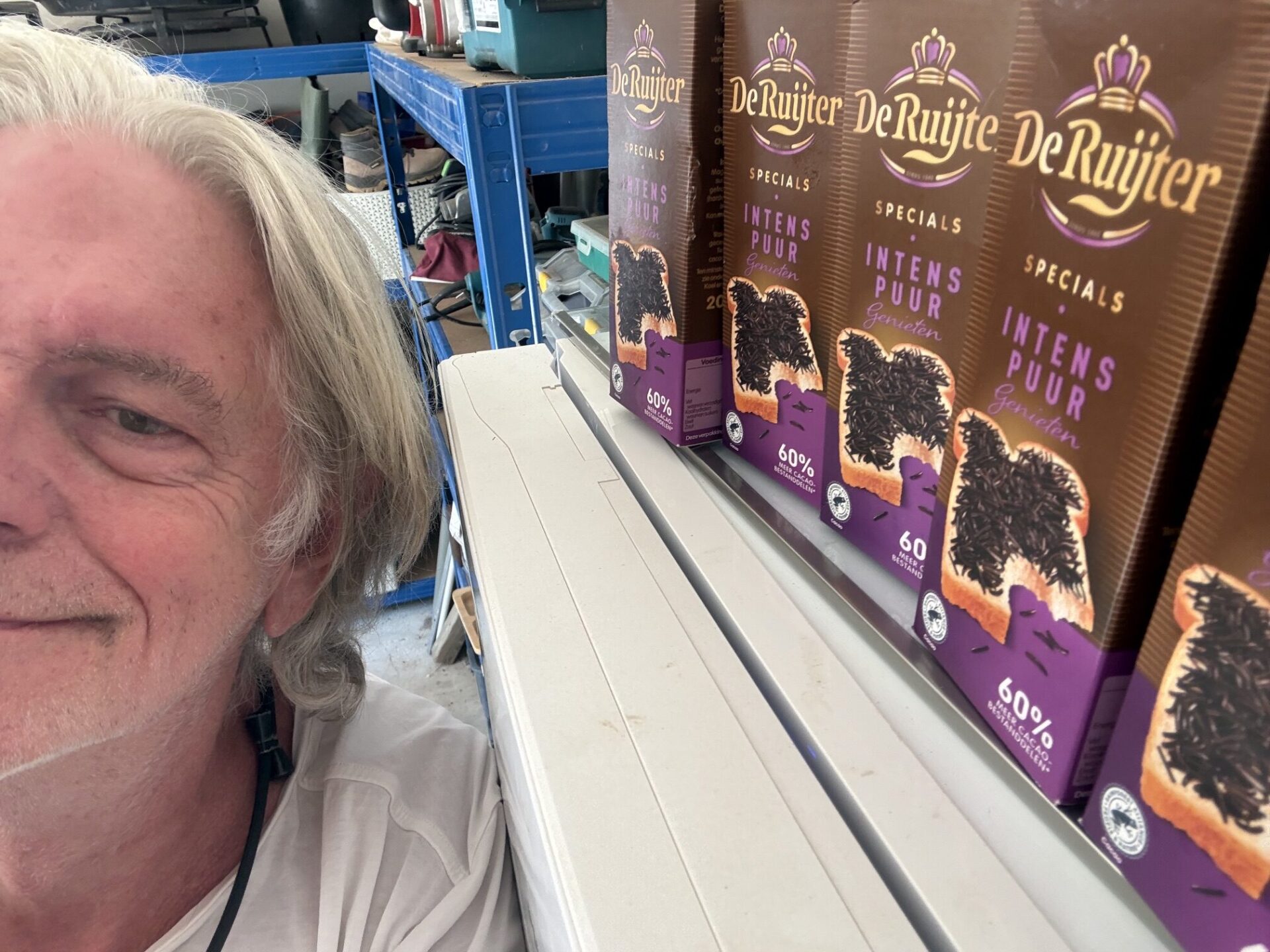
I only bring two things to Mallorca: hagelslag, chocolate sprinkles for my breakfast, and raw-milk cheese from the Floating Farm. If I’m here for six weeks, those are two luxuries I happily make room for in the back of my car.
But that cheese is becoming a problem.
The Floating Farm is literally a floating farm in Rotterdam harbor. Cows on top, a cheese factory underneath, a high-tech greenhouse below that. The cows roam freely and can walk outside across a gangway. Food waste and other leftovers from the city are used as feed, while manure and urine are separated and processed.
Producing food where people live. Turning waste into a resource. Giving animals a decent life. Exactly the kind of experiment we need if we want to discover what food production could look like in 2125.
And now the cows are gone.
One of the reasons is almost too stupid to be true.
The certified floor beneath the cows turned out to be a bad product. It started buckling, and the manure robot that collected the waste could no longer move across it properly. So they installed a new German floor.
It works just fine. Minke van Wingerden, one of the founders, told me their measurements show a 60 percent reduction in emissions.
There is just one problem.
The floor doesn’t have a Dutch certificate.
From August 18, the environmental authorities were allowed to start enforcing the rules. Three violations could cost the farm a total of €24,000 in penalties.
Rules are rules.
And then there is the Party for the Animals. For foreign readers: this is not some little club of animal activists, but a serious political party and, in my view, one of the most visionary parties in the Netherlands. They put animal welfare, biodiversity and the limits of endless economic growth on the political agenda long before many other parties did.
I have a real soft spot for them.
But of all places, they chose this small experimental farm to campaign against.
Animals on a raft? That’s daft, demonstrators chanted.
Yes. That is rather daft, yes.
The irony is that Rotterdam itself spent years presenting the Floating Farm as an example of innovation.
But of course, it has to fit within the existing rules.
Perhaps in 2125, people will look back at our time in amazement. Not because our rules were so strict, but because we made rules for the world we knew while searching for solutions for a world that did not yet exist.
An experiment is allowed to fail. That’s why it’s an experiment. But perhaps we should stop judging experiments by yesterday’s yardstick.
Or perhaps by 2125 we’ll have been drinking milk that never came near a cow for decades.
Those Vegan Cowboys — a Dutch-Belgian initiative, appropriately enough — are already getting pretty close. They use microorganisms and precision fermentation to produce casein: the key milk protein needed to make real cheese. A bit like brewing beer, except the microorganisms produce milk protein instead of alcohol.
So perhaps we’ll still have cheese in the future, but won’t need the cow.
This week, the cows left the Floating Farm by trailer.
Let’s hope they get as much daylight at their new home as they did on that ridiculous raft.
My hagelslag is safe.
For now.
Back From The Future is a series of short stories in which I look back from the year 2125 at the world we are creating today.