#55 Time for a commercial break?
Today, a little advertising.
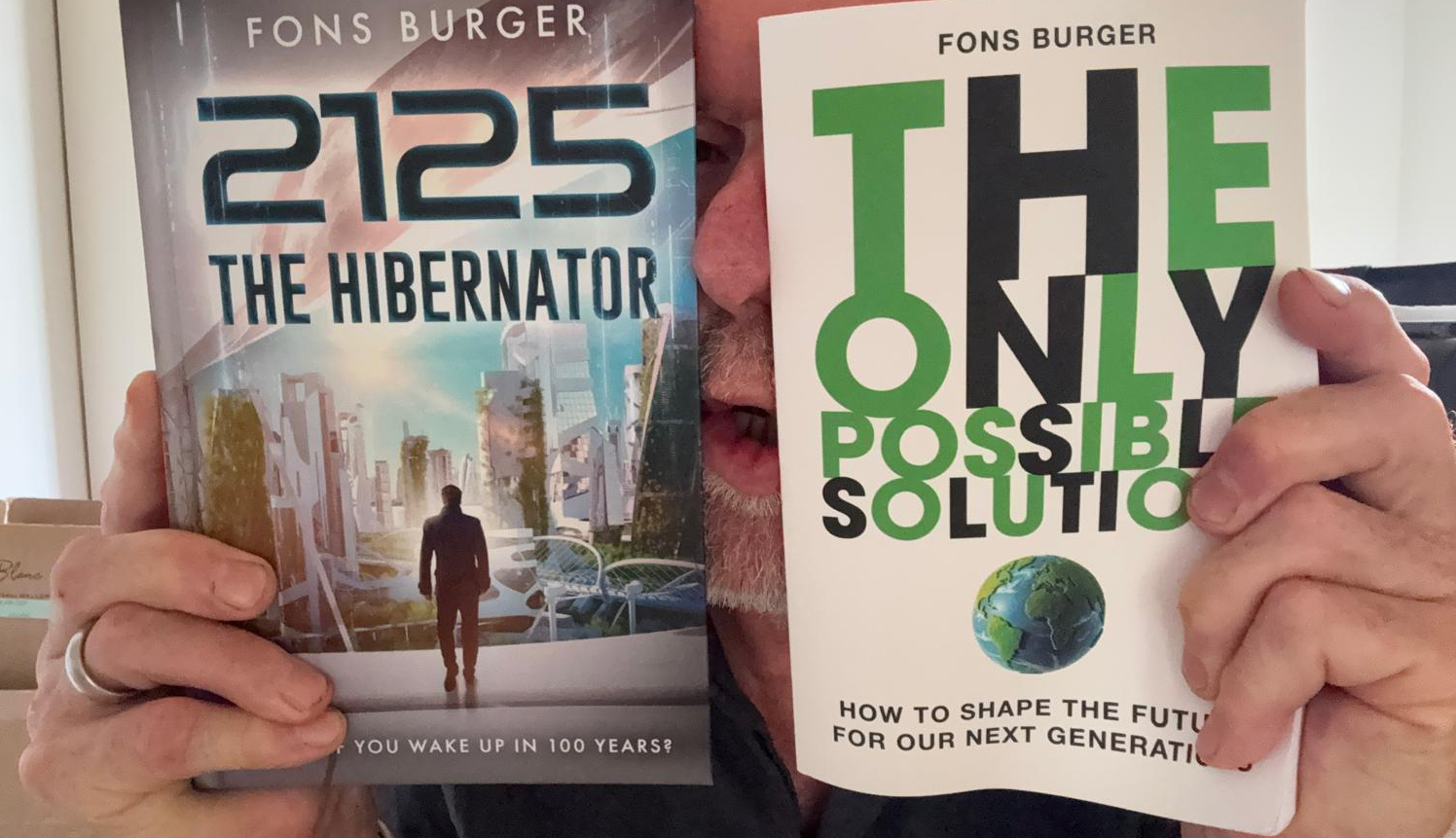
My novel 2125: The Hibernator has been selected by BookBub for a Featured Deal.
That may sound like just another online promotion, but BookBub is one of the largest book promotion platforms in the world, and you can’t simply buy a Featured Deal. You have to be selected. Publishers and authors submit their books, and BookBub chooses only a small percentage of them.
So I’m rather proud of that.
2125: The Hibernator now has a four-star rating, has sold almost 2,000 copies and has been borrowed about as many times. And today, thanks to the Featured Deal, the book is available on Amazon for $0.99.
Reason enough for a commercial break.
I love writing fiction. Maybe even more than nonfiction. As a journalist, you can’t afford for a single moment to make something up just because it happens to work better for your story.
All these Back From The Futures mean researching, writing, checking, double-checking, and only then pressing SEND.
With fiction, you are allowed to fantasize.
2125 begins with a man on an operating table being slowly brought out of a coma. It nearly goes wrong, but the doctors manage to keep his heart going. Later in the story, we discover that his heart has been beating at an absolute minimum for a hundred years.
Max Flowerdale, was 58 when he was put into a coma. A medical experiment has virtually stopped his aging process. A hundred years later, he wakes up. Still 58.
And once I had him awake in 2125, I could imagine the world around him.
After years of writing and thinking about what the future might look like, I increasingly realized that many of the solutions to our global problems already exist. And some of the solutions that don’t exist yet are on the verge of being discovered.
So Max wakes up in a world where, in the end, things have turned out all right.
The disasters humanity went through during those hundred years have not been forgotten, but the world has drawn a rather radical conclusion from them: for thousands of years, humanity simply refused to learn from its own history.
So they abolished history as a subject.
People live much more in harmony with each other and with their surroundings. Economic growth is no longer the ultimate goal. No more polluted cities: they are green, quiet, with room to breathe. Supermarkets? No more shelves full of junk; food is simply food again. Cars are no longer parked outside your door slowly rusting away; if you need wheels, they’re there. And animals are no longer locked up in barns and cages. Meat and dairy come from fermentation factories.
But this isn’t a boring book about a perfect world.
Although Max sees his entire profession thrown on the scrapheap, he remains intensely interested in history. He wants to know what happened to his wife a hundred years ago. Who was responsible for her disappearance and presumed death?
In short, 2125: The Hibernator is also a suspenseful thriller.
When the book came out, quite a few people dismissed my vision of the future as nonsense. Nicely imagined, perhaps, but impossible. That’s why I wrote that other book: The Only Possible Solution. There is no fantasy in that one.
In it, I describe the solutions that already exist and draw on conversations with and research into thinkers and scientists working on the major problems we face. I didn’t organize the book according to government departments or scientific disciplines, but according to what human beings need: food, water and shelter; things for your body and things for your brain; structures for living together, working and governing ourselves. And perhaps most important of all: a purpose in life.
That book isn’t doing badly either. It is still in Amazon’s Top 10 for Sustainable Development Economics.
There. Enough advertising.
On Monday, I’ll get back to the regular mission of Back From The Future: thinking about what we need to do today if, a hundred years from now, we still want to have food and water.
And air to breathe.