#61 How much does it cost to exist?
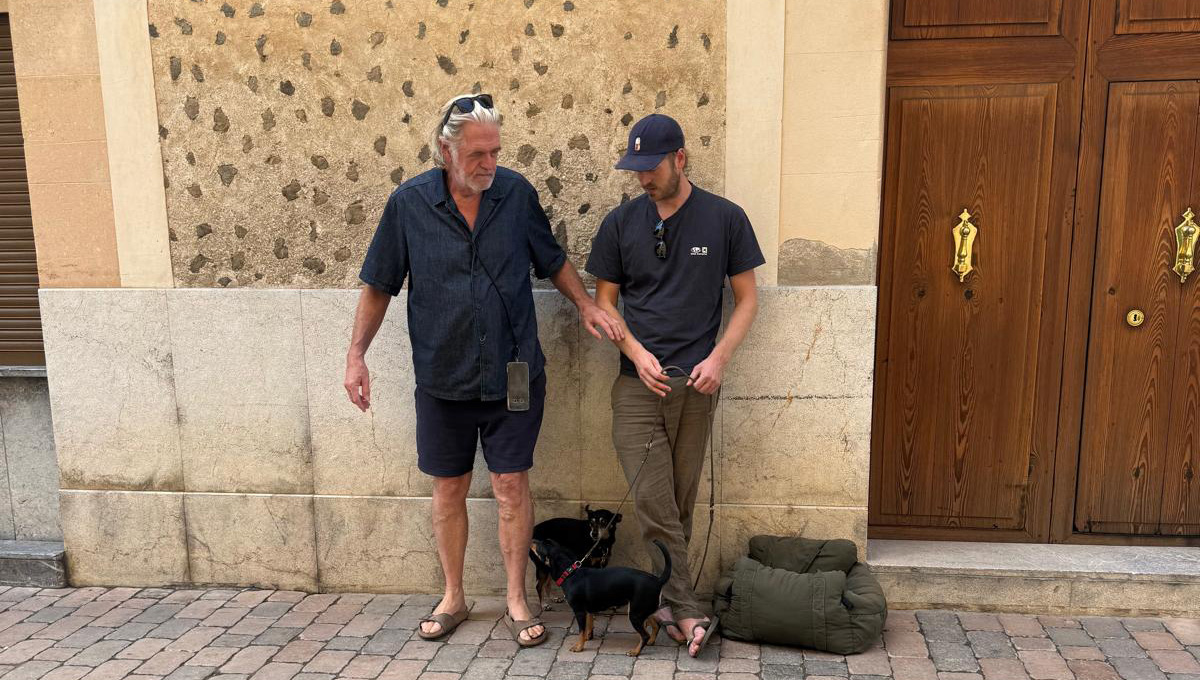
My son spends about 80 percent of his income on what he calls fixed expenses. His mortgage, energy bill, food and taxes, insurance, etc. When he sees me doing the groceries, I can see him looking longingly at what I put in my cart.
I actually have no idea what food costs these days. I buy what I like and pay. A liter of milk, one euro? A good healthy sourdough bread, six euros? I don’t have to check every product to see if it has become twenty cents more expensive this week.
Recently, just for fun, I added up what I spend on groceries every month. I nearly fell off my chair. My energy bill has also roughly doubled in recent years, despite my solar panels.
I am not going to complain easily. I have a generous pension. But for millions of people around the world this means deep misery. We were doing pretty well in the global fight against poverty, weren’t we?
One of the United Nations Sustainable Development Goals is to eradicate extreme poverty by 2030. In 2015, 13.4 percent of the world’s population still lived in extreme poverty. That percentage went down year after year, until Covid came along. In 2020, it went up again for the first time in decades. After that we scrambled back a little, but by now progress has almost come to a standstill. Partly because of wars and governments cutting their development aid budgets. This year, about 826 million people, one in ten people on this planet, still live in extreme poverty. And if things continue like this, it will still be nine percent in 2030. So we are not going to meet that goal.
And poverty is of course not just a problem in Africa or Asia. Of Europeans living below the poverty line, almost a third spend more than 40 percent of their disposable income on housing alone. At that point you haven’t eaten a sandwich, bought a pair of underpants or paid your phone bill yet.
And energy in the eurozone was 14.3 percent more expensive last month than a year earlier. In America, consumer prices rose 3.4 percent in July, with energy up as much as 14.7 percent. In Russia, prices have already risen another 4.7 percent since the beginning of this year.
We are not talking about luxury here. We are talking about the things you need to exist.
In this column I always look back at the present from 2125. I am convinced that eventually we will move toward a basic income. That everyone will get enough money in their bank account every month to pay for their basic needs. Housing. Food. Water. Energy. Things like healthcare and education will be free.
Fantasy? Will people still work if they get free money? Research today shows that this is not really the case. Want a bigger house? Three vacations a year? Eat at a restaurant every week? Fine. Then you have to work. And the companies that employ you pay taxes to make all of that possible. And even then they can still make a nice profit.
It has all been calculated and the only thing needed is for things to become fairer. For the inequality in the system to be tackled. Not abolished, because the gray communist models of society all failed too.
We are not too late yet, but the clock is ticking.
Back From The Future is a series in which I look back from the year 2125 at the choices we are making today.