#51 – 72 HOURS TROUBLE?
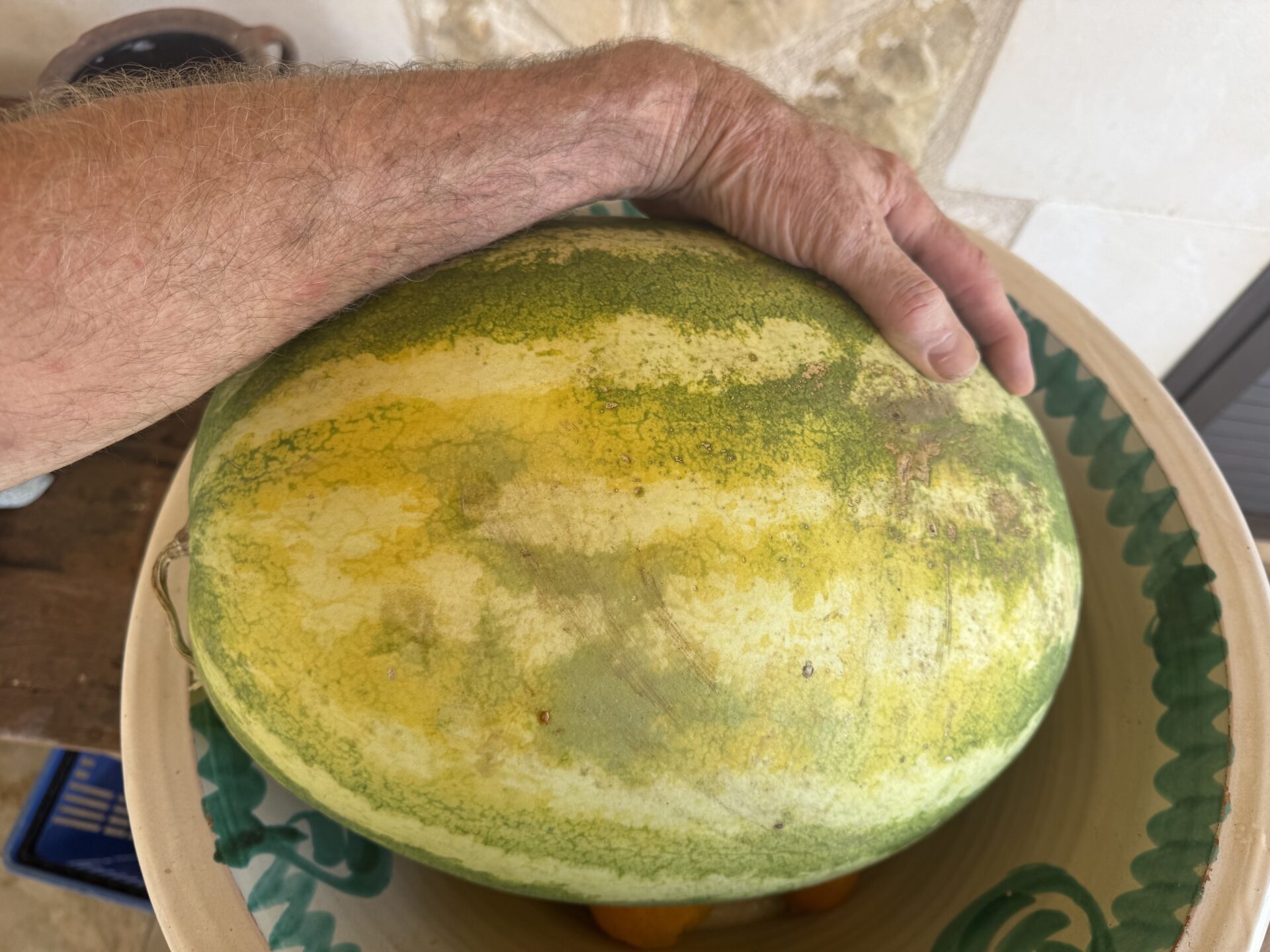
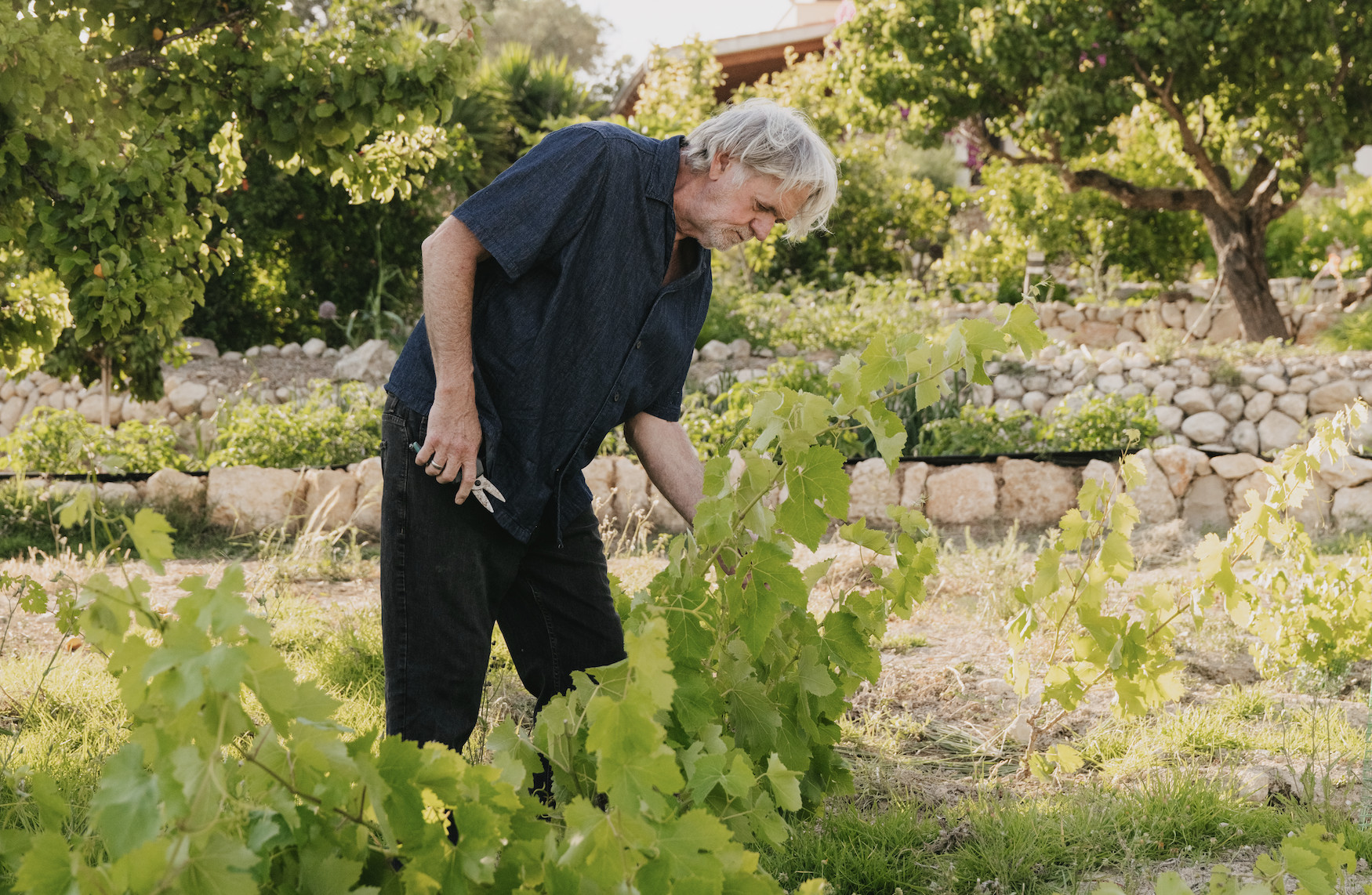
On my finca in Mallorca, I actually have a gigantic emergency supply. Crates full of vegetables and fruit, liters of olive oil, honey, nuts, grain for bread, water in abundance, solar panels for light and heat, and batteries for when the sun isn’t shining. I still have to harvest most of it, but if I went vegan, I could survive here for quite a while.
Just no emergency radio.
In the Netherlands, I also have a cupboard full of non-perishable food, although quite a lot of it has passed its expiration date by now. No emergency radio there either.
The Dutch government wants us to be able to survive for 72 hours without water, electricity, internet or shops. By now, 44 percent of Dutch people say they have an emergency kit. The European Commission recommends the same. Germany even wants its citizens to keep ten days’ worth of supplies, while Sweden recommends at least a week.
I’ve written before that I’m not much of a believer in all this.
Because what happens when a real disaster or war breaks out?
Within an hour, my youngest son will be at the door, the hungriest of my children and the one with the emptiest fridge. Then the other children will arrive. The next day, the neighbors who also thought emergency kits were nonsense. And then the old woman a few doors down who never watches the news anyway and has no idea why the electricity has gone out.
Do I tell her: Well, you should have bought your own emergency kit?
Back to Mallorca. The farmers here will probably still have something to eat. But what about my friends from the village or the city? The immigrants who live here and have no land, savings or supplies?
Am I supposed to build a wall around my finca and buy a shotgun to keep the have-nots away from my tomatoes?
I can hardly believe this, but as long as the US government hasn’t cut it out of existence, perhaps we can learn something from the United States. FEMA, the Federal Emergency Management Agency, doesn’t just promote emergency supplies. It also supports Community Emergency Response Teams. Citizens learn what they should keep at home, but they’re also trained to help neighbors after a disaster, treat the injured, put out small fires and search for people until professional help arrives.
Maybe that’s the preparation that really matters.
Political scientist Daniel Aldrich has spent years studying why some communities survive disasters better than others. He lost almost everything himself during Hurricane Katrina. At first, government agencies and insurance companies were hardly any help. Family, friends, acquaintances and even strangers were.
Later, he studied the 2011 earthquake and tsunami in Japan, among other disasters. Elderly and vulnerable people were saved because someone knew where they lived and went looking for them.
Sometimes your social network turns out to be worth more than what’s sitting in your pantry.
Wars show the same thing. In Ukraine, Liliia spent weeks in a cold, dark shelter with her family and twelve neighbors. Together they built a primitive stove, went out to find food and water, and took turns cooking. In Gaza, UNICEF spoke to a family that barely had any food left themselves but had taken in five other families. They even shared their last pieces of stale bread.
When you hear stories like that, an emergency kit for two people starts to sound rather ridiculous.
Maybe in 2125 they’ll look back with some surprise at our boxes of water, batteries and canned beans. Not because being prepared was stupid, but because for a moment we’d forgotten that people rarely survive a disaster on their own.
So by all means, let’s stock up. Lots of supplies.
Then at least we’ll have enough to share.
And that emergency radio? As long as I don’t build a wall around my finca, I’ll probably hear the news soon enough by smoke signal.
Back From The Future is a series of short stories in which I look back from the year 2125 at the world we are creating today.