#62 – Why do we still have to work?
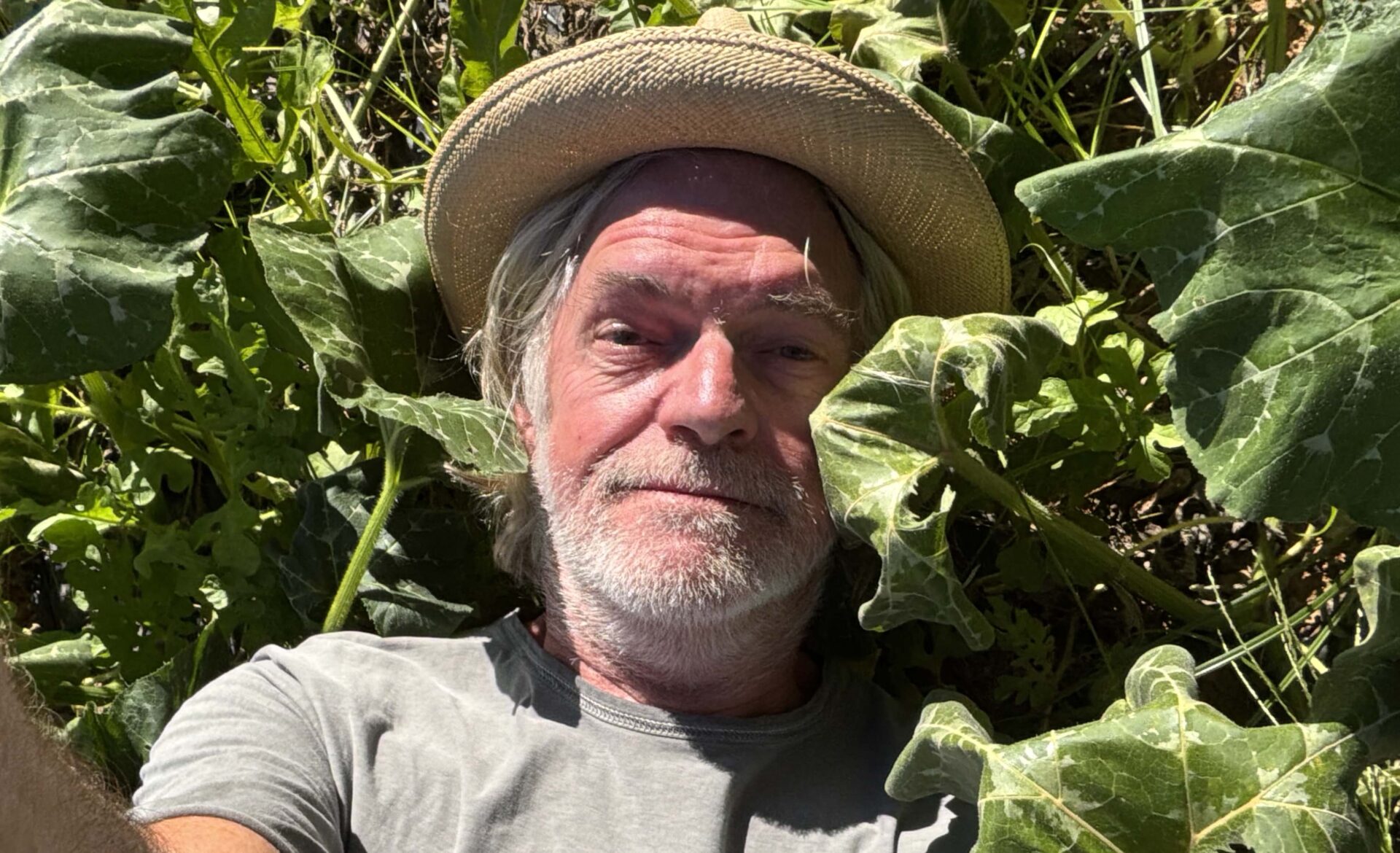
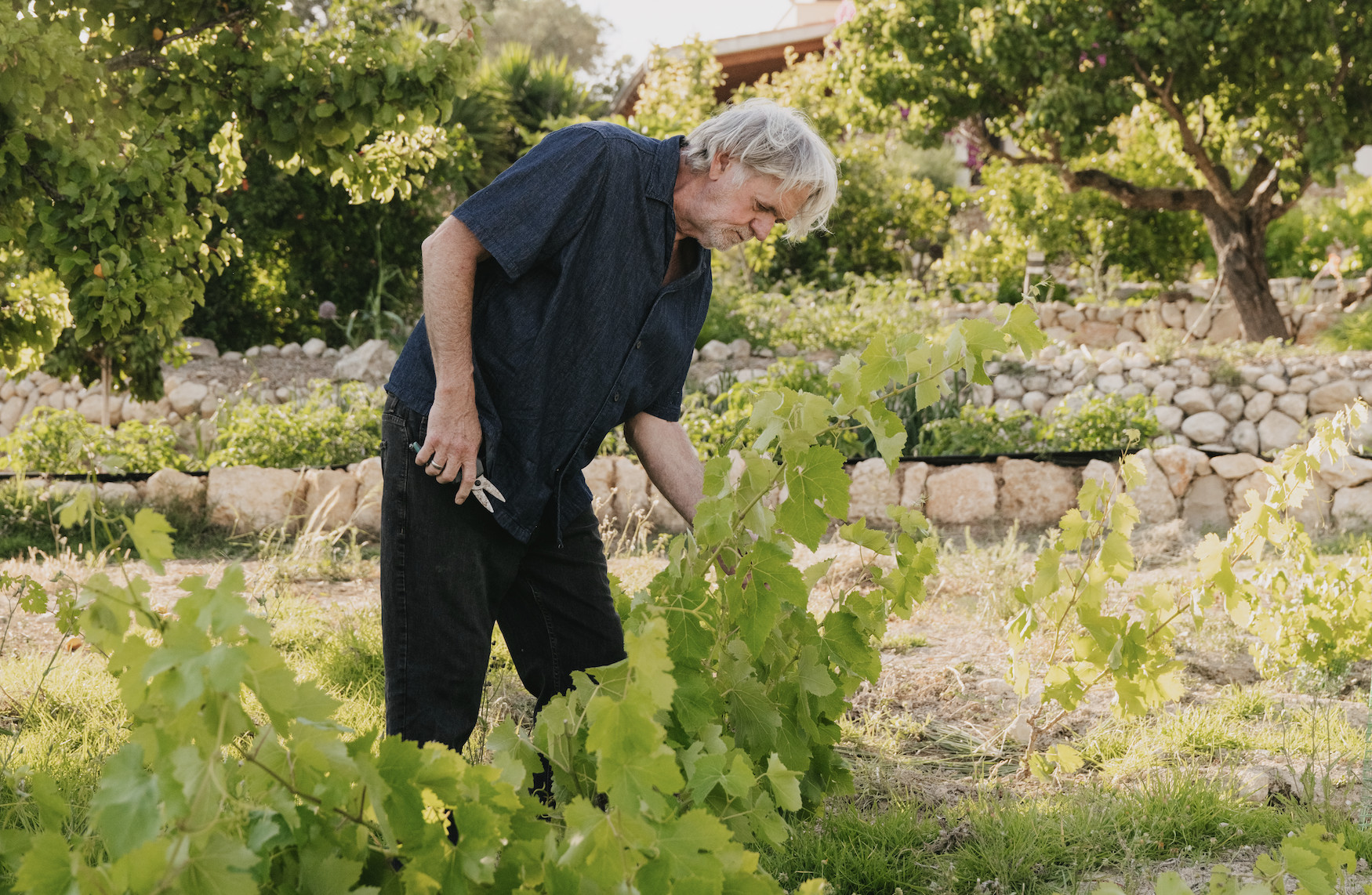
The temperature is finally dropping. It has even dipped below 30 degrees for a while. The chickens still don’t want to lay eggs, or maybe one or two, but that’s about it. I’ve started getting the garden ready for winter. Hard work if you only want to use your electric tractor for transport. Because ploughing is not allowed in permaculture. The broccoli, cauliflower and broad beans have to be sown in the greenhouse so they can be planted out in a month or so and harvested in winter.
Hard work for a 73-year-old man, but I’m not complaining. In the future, when I really can’t do it anymore, Elon Musk will come to the rescue. Optimus, the humanoid robot Tesla is developing, can do everything. Well, not quite yet. Most of the videos advertising the thing are also largely AI-generated. People are talking about prices of maybe $20,000 or $30,000 once it goes into mass production.
For that kind of money I might start thinking about buying one. Pulling out the old tomato plants would be a nice start. And taking the stuff to the compost heap. There is always something to weed here, and then there are the grapes. Picking, pruning, sowing, harvesting. I can easily keep him busy.
And he won’t call in sick. Friday afternoon? He can just continue. Holidays won’t interest him either, and I don’t expect him to become a member of the union. Even better, when I am in bed he can turn that horrible smelling compost. Or make the biochar. I only have to remember his battery. Come to think of it, if this robot is so clever, why should I have to charge him?
But suppose that in ten or twenty years it really can do all these things. Then I have another question. Who owns it?
We already live in a world where a small part of the population owns most of the wealth on Earth. If an ever larger share of the work is soon done by machines owned by that same group, will the gap between rich and poor get smaller?
No, it will get insanely bigger. I can have a robot pick my grapes while I lie by the pool. Someone who doesn’t own a robot, land or have a decent pension will have to hope he can find a small piece of land where he is allowed to grow his own food. Those robots will belong to big companies and the wealthy middle and upper classes, while the people doing simple jobs are precisely the ones losing them. In the best-case scenario, they can report to some benefits office where a robot will help them apply for welfare. If there is still any money for it.
And there is another completely different problem we are not facing.
We talk about AI and robots as if they simply fall out of the sky. As if all you have to do is build a factory, write some software and suddenly you have billions of tireless workers. But obviously quite a lot of our precious materials have to go into the thing. Steel, copper, aluminium, lithium, chips, those are just the things I can think of as a layman. Raw materials that are already often described as scarce. And all those things still have to be made, which costs energy and water.
Who gets such a robot? The farmer in Mali who still works his land with a spade or a hoe? The sick and elderly in India who need care? The unemployed person who can no longer find a job because robots have taken over his work? Or the person who can afford one?
Probably the person who can afford one.
And that, I think, is where the real problem lies. Not with robots. They will come. Maybe not in five years, and maybe they will cost much more than Musk is predicting now, but machines are already taking over more and more human work.
The problem is that we are almost literally letting this new technology loose inside the economic system we have now. A system in which owning things brings you more things, while labour costs money and is taxed on top of that. Where wealth is passed down through inheritance from generation to generation. Where money on the stock market can ‘earn’ more money much faster than someone can by working. And where the people with the most money also have the greatest opportunities to influence politics and the rules.
Because that brings us to the heart of the matter. Who owns the robots? Who owns the companies that make them? Who gets the profits that used to go to workers as wages? How much wealth can someone inherit? How do we tax labour and how do we tax wealth? What do our financial markets do with all that money? And who actually makes the rules?
These are not separate problems. If we want robots to free us from heavy, boring and unhealthy work, we will have to change more than work alone.
Maybe in 2125 we will look back in amazement at a time when people still picked grapes themselves, collected rubbish and pushed boxes around warehouses.
But that is not very likely. Because raw materials are scarce, and because inequality in wealth cannot survive unchanged in a developing world.
I’ll keep picking my own vegetables for now, and I’ll buy a robot when a farmer in Mali can afford one too.
Back From The Future is a series in which I look back from the year 2125 at the choices we are making today.