#69 – OLD IDEAS THAT CAN SAVE US
It was sometime in the fall of 1969. I was standing somewhere in Amsterdam, where I went to school at the time, handing out leaflets. We were campaigning for the Indigenous people of the Amazon. They were — yes, even then — being hunted through the forests and shot like wild animals by big landowners who cut down their forests for timber or to turn them into farmland. I always got pretty upset when people asked me why on earth I was doing something about something so far away from home. Didn’t they have any imagination?
No, it had to come closer. And actually, that is what has happened now, 57 years later. People finally realize that the Amazon is the lung of the world. A world that doesn’t stop at the shore of an ocean. An ocean that has warmed up even more this year because of El Niño, with major consequences for that same Amazon, but really for the whole southern half of the world.
In Brazil, the Indigenous population of the Amazon is demonstrating on a massive scale at the moment. The Indigenous people wrapped in flags have a fundamentally different view of land ownership than we do in the West. Here, land always belongs to someone (or to the state). But in many Indigenous cultures they don’t ask: “Who owns this land?” but: “Who is responsible for this piece of land?”
At first, things seemed to be going pretty well with the Amazon, until around 2015 things started getting out of hand again because the regime didn’t give a shit about the climate, and even less about the Indigenous people. 2023 was an absolute low point. There was an exceptional drought, with water levels in rivers dropping so far that villages became isolated because the transport of goods by water came to a standstill.
But in 2024 the problem exploded. The forest caught fire. More than 67,000 square kilometers of forest went up in flames. And roughly the same amount of other land. And the cause wasn’t just the drought or some accident. Part of it was deliberately set on fire to make room for farmland.
A major Nature study from 2024 concluded that by 2050 an estimated 10–47% of the Amazon forest could be exposed to combined water stress that could cause the ecosystem to change dramatically.
But there is some good news too. Since new action by the current government, deforestation is finally coming down. In 2022, 11,600 square kilometers in the Brazilian Legal Amazon was traded in for farmland. By 2025, that was roughly half.
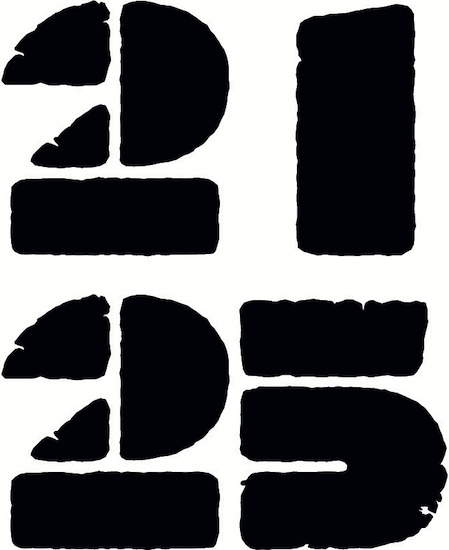
What will be left of the Amazon a hundred years from now? In the 2125.world vision, I don’t see just one huge nature reserve that nobody is allowed to touch anymore. That seems like the wrong future to me.
Cocoa under trees. Açaí. Brazil nuts. Medicinal plants. Fruit. Seeds. Oils. Fish. Ecotourism. Agroforestry. New materials and perhaps medicines from a biodiversity we still know surprisingly little about.
A lot is already happening. The current Brazilian government has set a target of restoring at least 120,000 square kilometers. New Restaura Amazônia projects combine restoration with Indigenous communities, small farmers and agroforestry.
It will serve as an example for many other places in the world. Not only the large natural areas that are needed to cool the planet down again. But also cities that will be covered with parks, forests and other green spaces.
But a few things still have to happen. Not only in Brazil, where a populist climate denier is running in the elections, but elsewhere too we have to put an end to the stupidity of allowing a single autocrat to make decisions that will look ridiculous in ten years, let alone when people look back at them a hundred years from now.