#70 – ABOVE THE LAW?
Somewhere in 1983, I was standing with a camera crew in a valley on the border between Iraq and Iran. It was just before Christmas and raining. A cold, wet drizzle that drew a gray haze across the hillsides. There was nothing to see. Just as I was wondering why the Iraqi army colonel had brought me here, he blew a whistle. Suddenly hundreds of soldiers rose out of the gray mud, rifles at the ready. In the eyes of the ones I could see, there was fear. And then relief when two short blasts of the whistle meant they could hide in the mud again.
A war that sent one and a half million people, mostly young boys, to their deaths. It’s hard to say what that war was really about. Saddam’s ego? Khomeini’s? Religion? Oil? Territory? Shipping routes? Who knows?
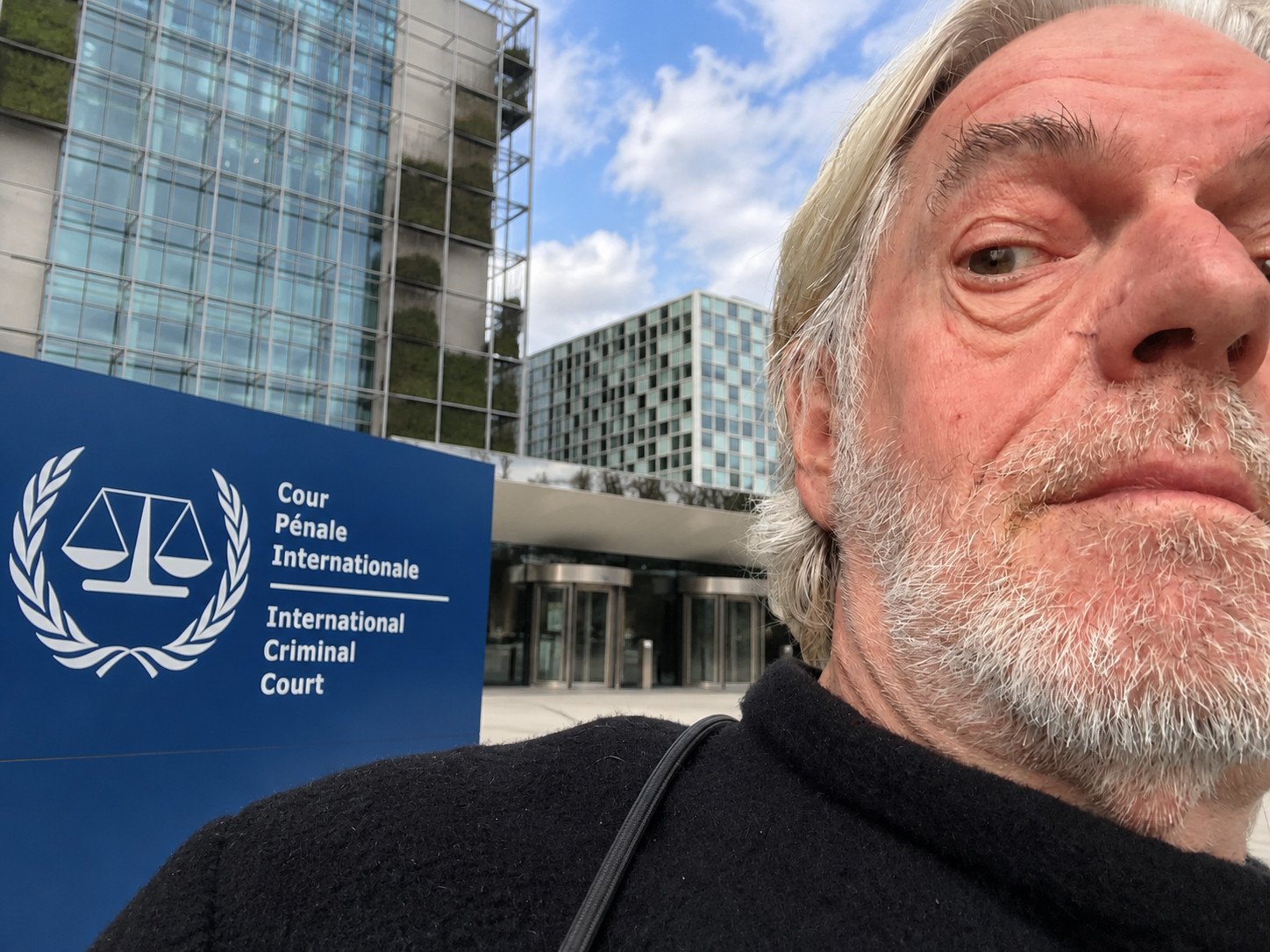
There was no International Criminal Court back then. And Saddam was executed before he could be brought before one. But thank God we have such a thing now.
On Friday, the Nobel Peace Prize went to Navi Pillay. A South African lawyer, 85 years old. She devoted her life to one important idea: the law applies to everyone.
That sounds obvious. If I shoot somebody tomorrow, the police will come and get me. But when a head of state orders thousands of people killed, suddenly it gets complicated. Then we start talking about sovereignty. They hide behind the laws of war or national security. Or they don’t bother hiding at all, because they think they’ll stay in power forever and that makes them untouchable.
As a journalist in conflict zones, I’ve seen enough of what happens when the law is pushed aside for one interest or another. Of course you can’t lump all those events together. But the principle is the same. If you’ve got the power, you can tell the law to go fuck itself.
After World War II, a lot was done to put things right. The Nazi trials in Nuremberg. International treaties and conventions about what is and isn’t allowed. But we still needed an institution to make sure those agreements were actually followed. A permanent International Criminal Court in The Hague.
And then came Rwanda. In 1994, an estimated 800,000 people were murdered there in about a hundred days. At first the world mostly stood by and watched. Four years later, a special tribunal set up by the UN in Arusha, Tanzania, delivered a judgment. An international court convicted someone of genocide. Jean-Paul Akayesu, a mayor who had taken part in the killings, was sentenced to life in prison. One of the judges was Navi Pillay.
The tribunal made a remarkable ruling. Rape, too, could constitute genocide. Not because every rape is genocide, but because sexual violence can be used deliberately to destroy an entire people, or part of one. The victim doesn’t even have to die. Pillay was one of the people who pushed the court in that direction.
Setting up a separate court for every war wasn’t going to work either. So in 2002 we got a permanent International Criminal Court in The Hague.
Too bad. The court has no police of its own. It depends on countries being willing to arrest suspected leaders. And unfortunately, some of the most powerful countries refuse to recognize its authority.
Last week the US even went so far as to expand its sanctions against the court. It’s no coincidence that this happened in the same week Navi Pillay won the Nobel Peace Prize.
I know perfectly well that international law is complicated. You can’t just drag a president out of his palace. And judges can make mistakes. International judges too. But what’s the alternative? That countries get to decide for themselves whether the rules apply to them?
Back From the Future. Just as most people today still look back in horror at what happened during World War II, I think people a hundred years from now will look at our legal system with complete disbelief. We could put people on the moon. We let computers reason for themselves. But when it came to the worst crimes, we were powerless to bring the perpetrators to justice. How did we ever think that made sense?
Back From The Future is a series of short stories in which I look back from the year 2125 at the world we are creating today.