#72 — WHO OWNS A CURE?
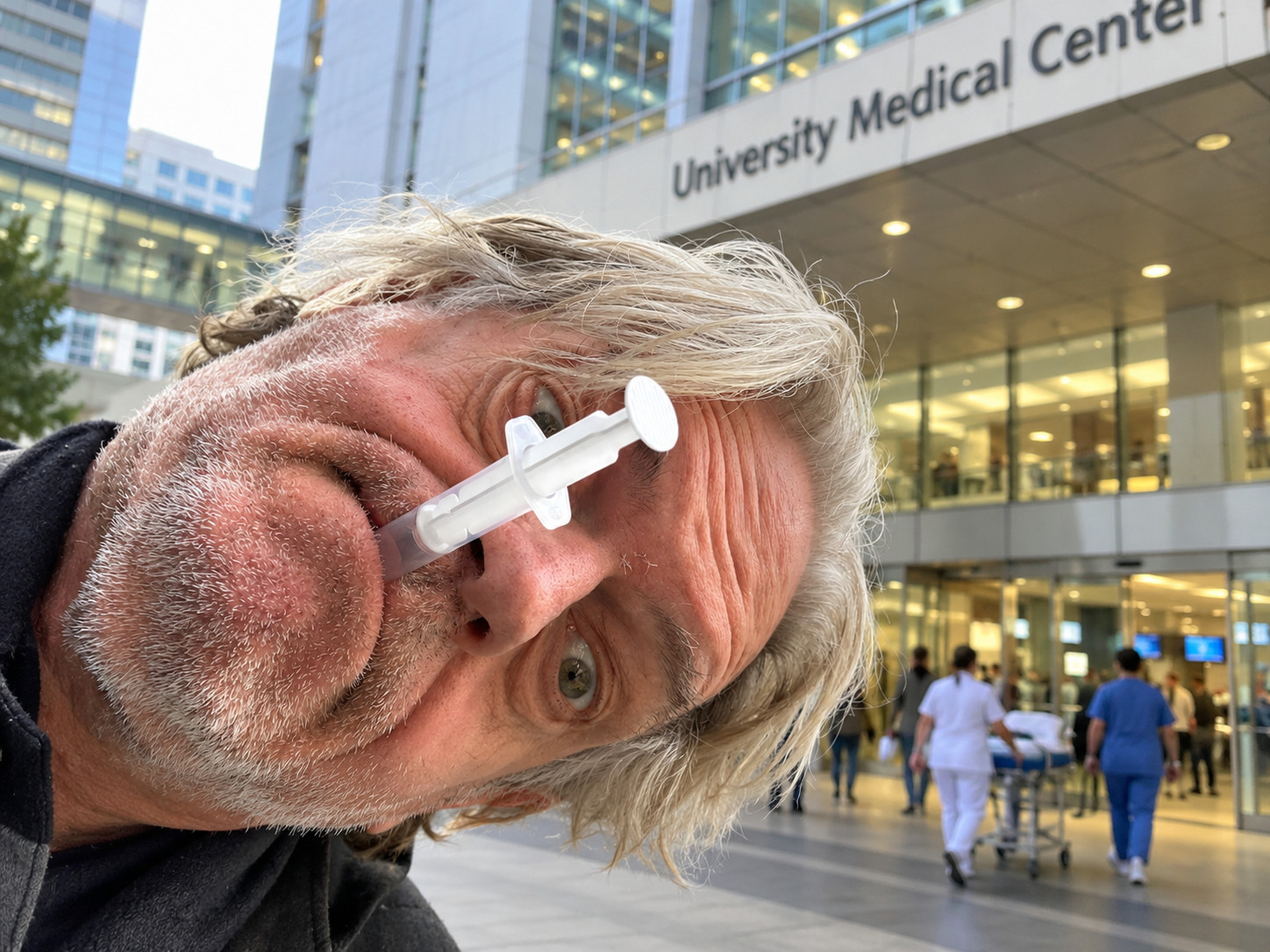
A few years ago, a professor wanted to tell me about a great injustice.
He had been screwed by his employer, a large university hospital, and by a pharmaceutical company. He had spent his entire life developing a drug. A remarkable treatment for a specific type of cancer. The hospital had made a deal with the pharmaceutical company over the patent on his discovery. That’s quite common. They set up a separate company, and the professor and the hospital get shares in it.
But after the pharmaceutical company had secured the patent, it transferred it to another company. Outrageous, but apparently it happens quite regularly. The professor’s shares were now worthless.
If I’d felt sorry for the professor over the millions he’d lost, I might have investigated the story as a journalist. Instead, I was just left wondering about something that soon turned out not to be all that unusual.
Also because I began to realize what was actually going on. I realized that the drug had basically been developed at our expense. Because who pays for the university and its professors? And who pays for the hospital? Through our taxes and health insurance premiums, we do!
Almost all new drugs build on research that was partly funded with public money. An American study found that 99.4 percent of the drugs approved between 2010 and 2019 had links to research funded by the US government.
Of course, pharmaceutical companies have expenses too. Because of all the strict regulations, they sometimes have to run trials for years before they can bring a drug to market. And that costs billions. About 90 percent of drugs that enter clinical trials never make it to the market.
But the fundamental research, the discoveries on which all those drugs are based, is largely paid for by us. Even when it leads nowhere. Just think how much research went into all that. How many scientists spent years working on something that eventually didn’t work.
I also remember a story about a former government minister who owned a company with rights to a promising cancer treatment. There was a dispute over who had actually made the discovery. And according to reports, a possible treatment was not developed any further because it competed with existing products made by the buyer.
So it doesn’t just happen somewhere behind closed doors.
Earlier this month, a Dutch judge banned sales of a new version of the cancer drug Keytruda in eight European countries. A cancer drug. Not because it doesn’t work. But because of a patent dispute over an enzyme that makes it possible to inject it under the skin. Two companies fighting over their rights, while patients have to go back to the old, slower drip.
The European Union has almost finalised new rules for the pharmaceutical industry. Medicines are supposed to become more accessible and affordable. Companies will still get years of protection from competition, but the conditions are changing. Sounds nice. But this ridiculous system will largely remain in place.
We help pay for the research. Companies get exclusive rights to successful drugs. And then we pay again when we need those drugs.
In the year 2125, I predict, things will be different. People will look back in disbelief at how people used to die because they couldn’t afford medicines that cost next to nothing in raw materials but were protected by patents. By then, the old system will have been thrown out long ago. Research will be publicly funded, and there will be factories that test the resulting medicines and produce the pills. Making a little profit, sure. But not those ridiculous mega-profits.
And there are already ideas about how things could be done differently. German philosopher Thomas Pogge and Canadian economist Aidan Hollis came up with the Health Impact Fund. The idea is simple. Governments and other funders put money into a fund every year. Pogge and Hollis are thinking of six billion dollars a year. Pharmaceutical companies can join voluntarily. They then sell their medicines for no more than the cost of production and distribution.
And their profit? They get that from the fund. How much depends on how much their medicines actually improve people’s health. How many lives they save and how many extra healthy years people get. That’s the yardstick. The plan has been around since 2008. Research has been done, including in India, to find out what people in the health sector think of it. There’s also a proposal for a large-scale trial costing one hundred million dollars.
But unfortunately, eighteen years later, there is still no large international Health Impact Fund. Some pharmaceutical companies do see something in the idea. But apparently not enough to get the system off the ground.
Eighteen years. In that time, we’ve managed to develop a vaccine against a new virus in less than a year. But coming up with a different way to pay for medicines seems to be a lot harder. Maybe that’s the biggest problem. We know how to make people better. But the system we use doesn’t put people first. It puts the profits of pharmaceutical companies first.
Back From The Future is a series of short stories in which I look back from the year 2125 at the world we are creating today.