#77 – AN ISLAND BACK FROM THE FUTURE
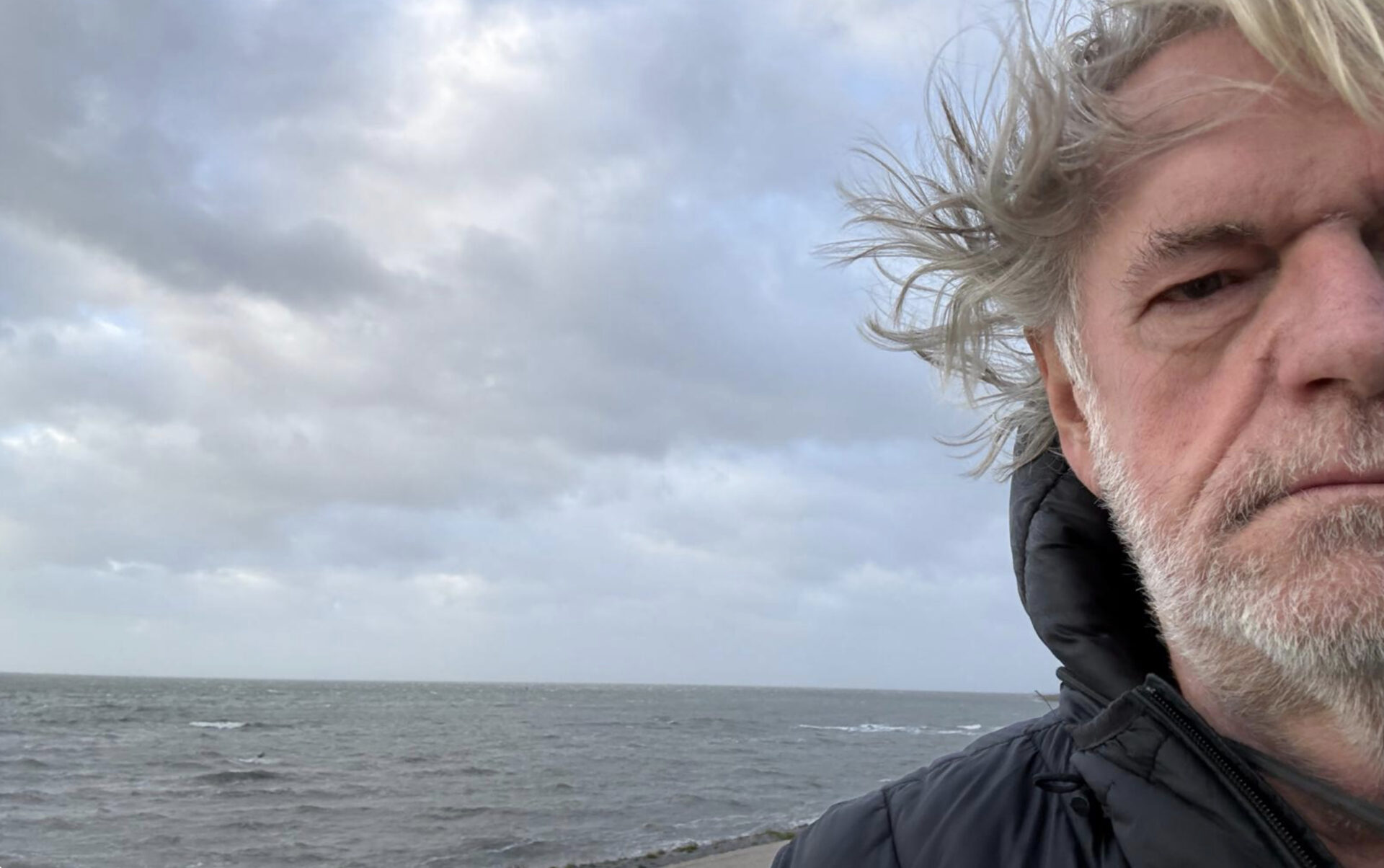
I’m walking my dogs on the island of Vlieland. The very tip of the Dutch kingdom. No more than 40 square kilometers of dunes and a small village with 1,100 inhabitants. In summer it is flooded with thousands of tourists but now the wind is the main visitor, pushing itself on us at 110 kilometers an hour. I climb the dike, my little dogs, both under five kilos, immediately get blown off it.
They’re used to quite a lot on this island. But climate change is starting to take its toll. This summer during the heat the island council had to ask people to use less water because there was so little rain. The government is busy bringing in sand because rising sea levels and storms are nibbling away more and more of the island.
Next week there’s yet another climate summit in Turkey. There’s one or more climate summits every year. They start with ambitious plans and ideas and usually end with conclusions about why they couldn’t agree on them. In between lots of photos of participants in suits.
I’m here to visit a friend and was really looking forward to getting out in the wind for a while. Well that’s working out quite well. On an island you soon realize that nature is bigger than you. That’s partly what you come for. The sea, the space, the wind. Only you do want to be able to count on the boat running and your little dogs not blowing away.
I’m thinking about how easily we talk about solutions. As if you just put on a different coat. Eat a little less meat, a heat pump, a higher dike. But it’s become too complicated to just deal with the symptoms.
Meanwhile at the farm. We happily keep talking. Now there’s an argument about when the new IPCC reports should come out. The meeting in Addis Ababa is getting stuck on that. The question is whether the latest scientific measurements and conclusions in that report will be available for the big summit in 2028. Some countries want more time. Others want the reports before the decisions. This month COP31 starts again. Another summit of endless talk about how fast we’re going in the wrong direction.
I don’t think meetings are pointless. At least they show a wider public that something really is going on, even if no useful conclusions come out of such a meeting.
What bothers me is how easily meetings can pass for action. A promise for 2050 gets applause today. The next government can carry it out. Or the one after that.
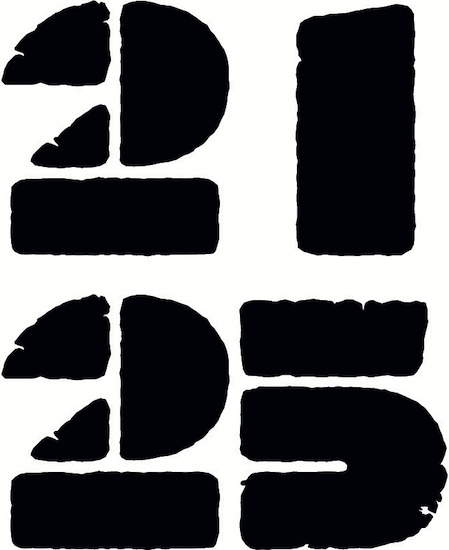
I write about 2125. That’s even further away. Easy enough, you might say. By then nobody can ask me why it didn’t work out.
But when I look out over the sea here I do think a hundred years isn’t so far away at all. On Monday I wrote about my grandson Ayden. He could still be here then. What I see in front of me now is his world too.
It looks beautiful. Waves, foam, a horizon you can’t see beyond. You’d think there wasn’t much wrong. An ocean has the disadvantage that you can barely see through it. What we throw into it disappears from view. All nice and tidy.
Plastic, chemicals, fertilizers spewed through the rivers into the salt water. And beneath that surface live thousands of species of fish and animals that have to try to survive in what we leave behind.
In the aquarium Ayden looked in amazement at what swam past behind the glass. Here I only see the foam on the waves which sometimes looks dirty too. To know what’s all going on you need researchers. The people who measure, count, take samples. But do we believe them? And the activists chasing whalers with their ship, do we trust them?
At that climate summit they’ll be talking, among other things, about fishing and farmed fish as part of our future food supply. Because fish is still an essential part of the diet of a few billion people. That’s exactly where Monday’s question comes in for me. What do we feed those fish? If we catch the krill that whales and penguins live on for that, what have we solved?
Maybe it means fewer emissions. But you can hardly be happy with less CO2 if you’re meanwhile wrecking the food chain in the sea. That’s what I mean by those different boxes. The climate people count kilos or tonnes of CO2 emissions. The fishermen how much fish they can catch. The fish farmers the money they have to pay to feed their fish. Manufacturers, traders, shopkeepers how much margin they can make to pay their staff. In short everyone is doing wonderfully well in their own box. But the ocean is slowly going to hell.
We’ll certainly be rid of that by 2125. Calling something a solution without looking at what other problems we cause somewhere else. We can already develop other fish feed, stop pollution at the source and leave feeding grounds alone. We don’t have to wait a hundred years for that.
The wind pulls at my coat. I look at the sea and try to imagine this island a hundred years from now. Will it look different? It’s actually already a lovely metaphor for the future. Tourists coming here for the beautiful nature instead of tacky entertainment. No cars, it’s small enough to get everywhere by bike or on foot. Nice people, relaxed, enjoying each other’s company and their surroundings.
The worries are far away, if you don’t count a little dog blowing away.