#54 About the farmers who will disappear
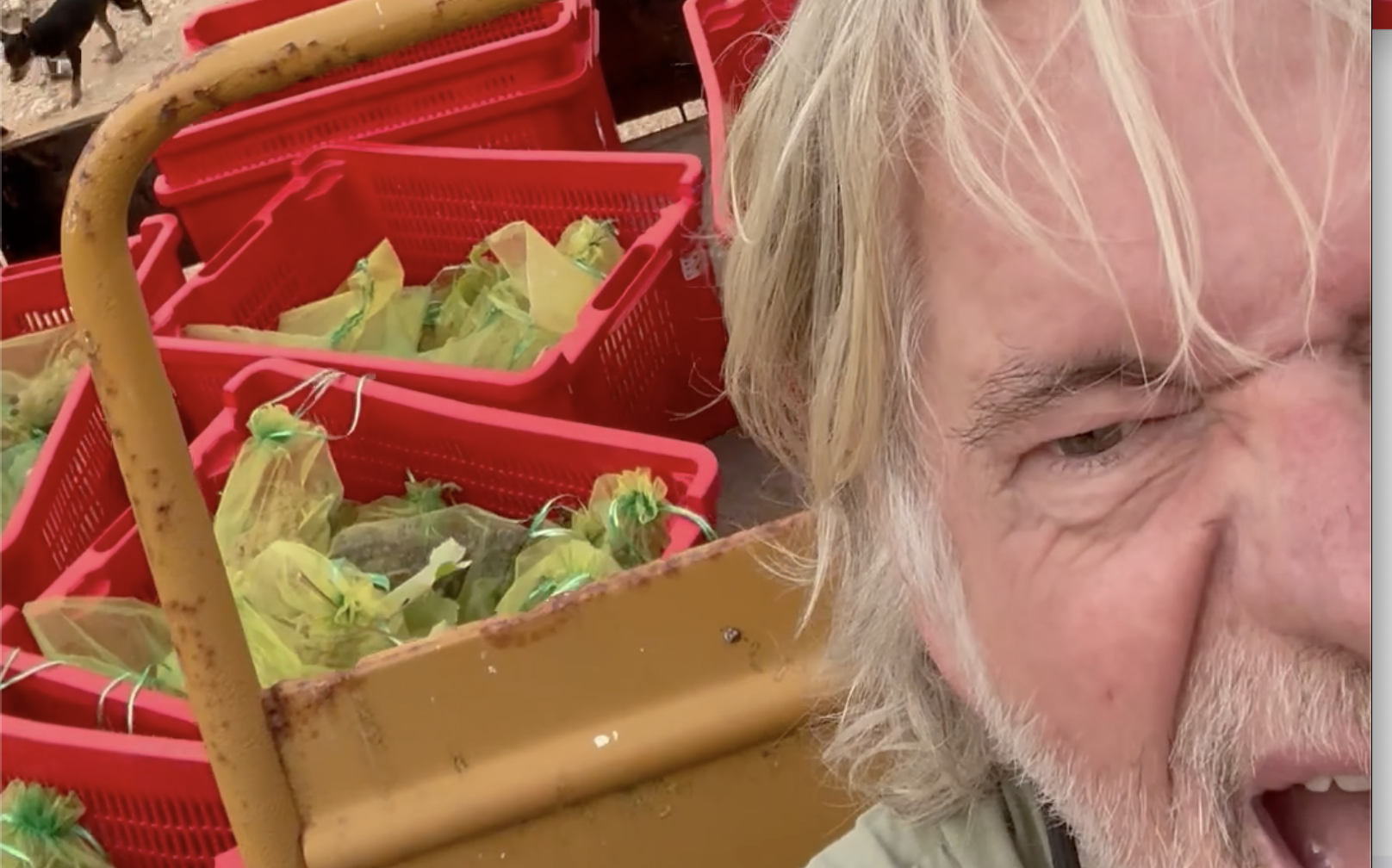
Up early this morning. My Macabeu and Grenache Blanc grapes were ready. The Malvasia still needs some time. Earlier this week, two enormous rainstorms swept across Mallorca. It’s impossible to make sense of it anymore. One vineyard has lost 50 percent of its harvest. Another has to pick so early that its entire schedule for hired workers has been thrown into chaos.
I’m beginning to understand why farmers spend so much time talking about the weather. For centuries, you could more or less rely on the seasons. You knew when to sow, prune, irrigate and harvest. Of course things sometimes went wrong, but the seasons were reasonably predictable. So were the yields.
That is becoming increasingly difficult.
The European Commission reported this week that persistent heat and exceptional water shortages are severely affecting summer crops across large parts of Western and Central Europe. For some crops, expected yields are now as much as 14 percent below the average of the past five years. Even the rain that is falling now comes too late for many crops.
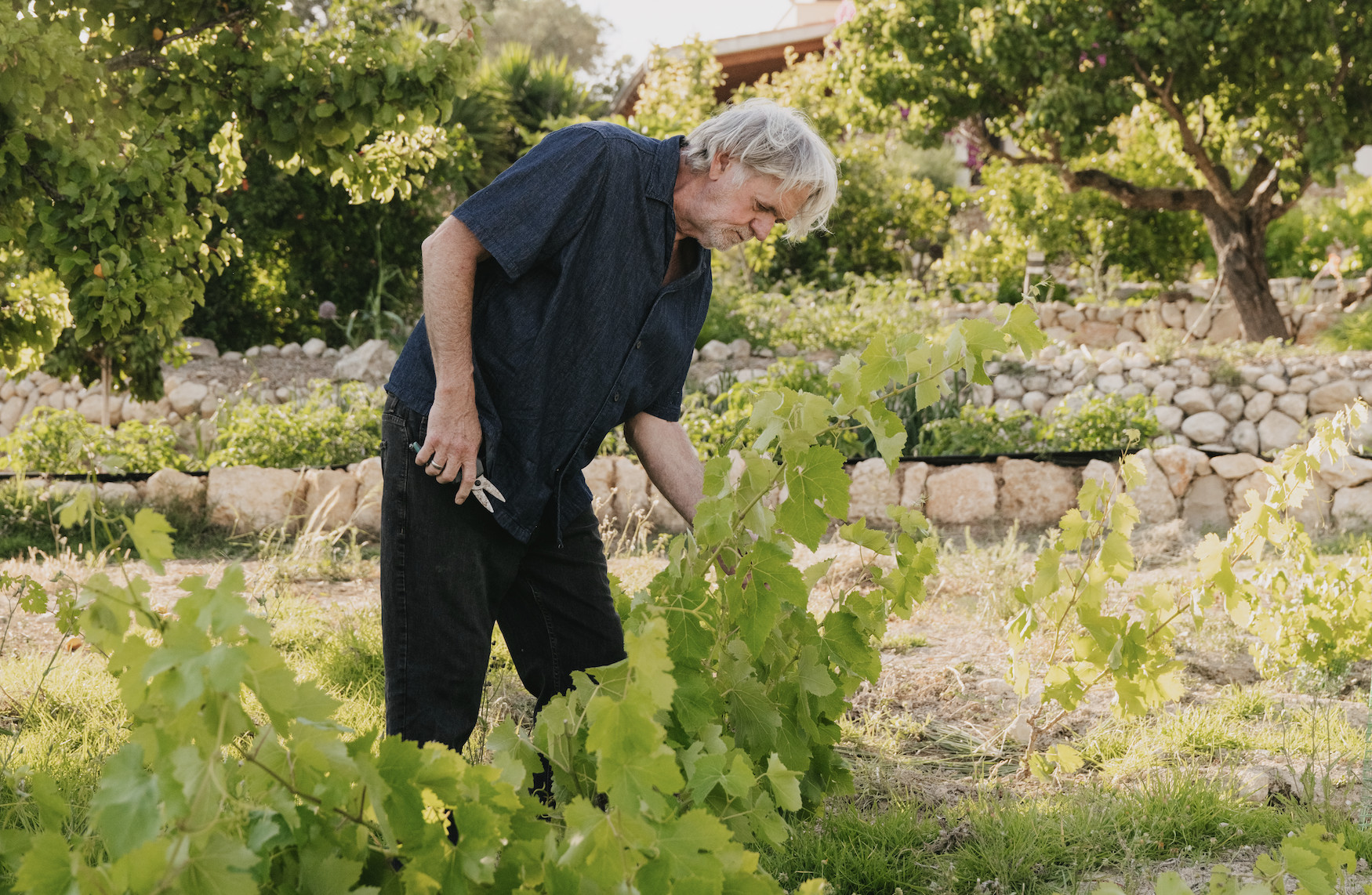
On my one-and-a-half-hectare hobby farm, that is mostly annoying. I can always go to the grocery store or the wine shop. For a farmer who depends on the harvest for a living, it is something else entirely.
By 2125, agriculture will therefore not simply have adapted to a different climate. It will be designed in such a way that it not only provides us with food, but also helps bring the climate back within manageable limits.
Food forests will have replaced many of today’s enormous fields with a single crop and tractor tracks running through them because everything had to be mechanized. Trees, shrubs and crops will grow together. Trees don’t just provide shade. They change the microclimate. They retain water, draw it from the soil and release it back into the atmosphere through their leaves. This cools the surroundings, increases humidity and can even increase the chance of rainfall. A food forest doesn’t just produce food. It also influences the weather above it.
And I’m not talking about the protesting millionaire farmers who refuse to become more sustainable because it would reduce their profit margins. Those farmers no longer exist in 2125. Not because farmers have suddenly become better people, but because we changed the system. Subsidies, land prices, food prices and tax rules no longer reward whoever can extract the most from every hectare at the lowest possible cost. Farmers are also paid for what their land does for all of us: retaining water, storing carbon, restoring biodiversity, keeping soils healthy and cooling the landscape.
Perhaps that is the biggest change: in 2125, we don’t just pay farmers for the food they take from the land, but also for what they give back to it.
My Macabeu and Grenache Blanc are in.
Now for the Malvasia.
Back From The Future is my daily journey towards 2125 — looking at what is going wrong today, and what we can still do to get it right.