#40 – My grapes are smarter than I am

This morning I was back in my bodega at six o’clock. Not because I like getting up early, but because during this El Niño-driven heatwave these are the only hours when you can still work outside.
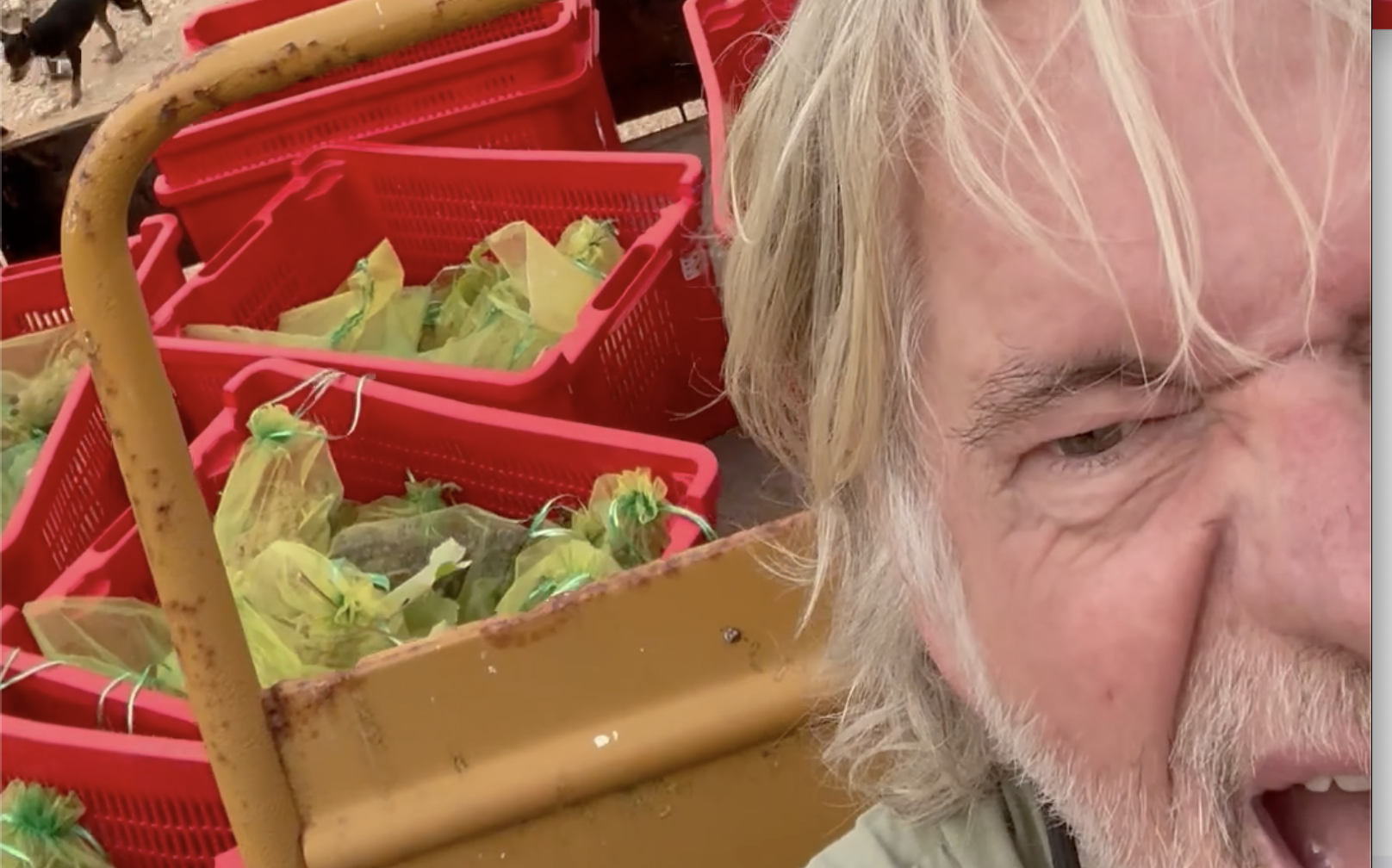
I filled the last ninety bottles of my natural wine Bonvasia, made from Malvasia grapes. A little joke in the name.
Not much to laugh about this year for winemakers. From Bordeaux to Tuscany and from California to Argentina, winegrowers are worried. Extreme heat, prolonged drought, hail, wildfires and unpredictable rainfall are making every harvest more uncertain.
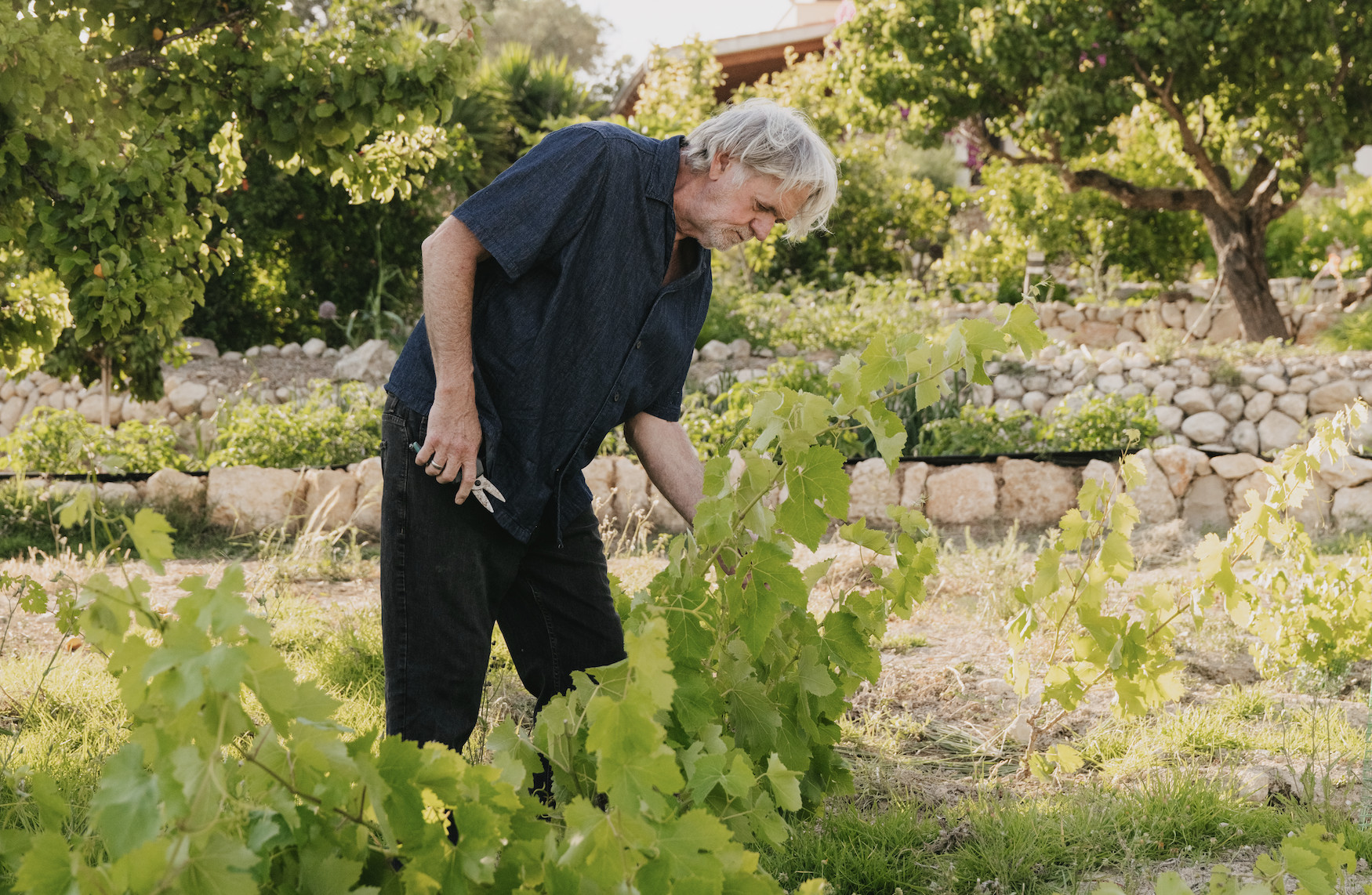
My grapes are doing well. Not because I’m such a great winegrower. But because my friends taught me how to make natural wine—or rather, how nature makes wine.
I no longer just look at the grapes. I look at the soil. At everything crawling beneath the surface. At what grows between the vines. At the insects. The birds. At the small basins I dug to hold on to the little rainwater that falls.
I’ve come to understand that my vineyard is really a miniature version of our planet. And why we’ve ended up in such a deep crisis. We try to solve problems one by one. Is there a drought? Then we look for more water. Is the harvest poor? Then we spread more fertilizer. Are there insects? Then we spray pesticides. But living systems don’t work that way.
Change one part… and eventually everything changes.
More fertilizer changes the life in the soil. More water makes plants lazy and more vulnerable to heat. Less life in the soil means less water retention. Fewer insects mean fewer birds. Fewer birds disrupt the food chain. Everything is connected.
Climate, water, agriculture, biodiversity, health and the economy are not separate problems. They are leaves on the same plant. I suspect that people a hundred years from now will look back at our time with amazement.
Not because we lacked knowledge. But because we kept thinking in separate boxes. Perhaps that is the most important lesson my vineyard has taught me. You don’t improve a living system by intervening more aggressively. You improve it by learning to work with nature.
Because nature has a better memory of how a healthy ecosystem works.
And we have forgotten to look.
Back From The Future #40 is part of a series exploring how the world of 2125 might have solved the greatest challenges of our time.