#60 – Don’t judge me
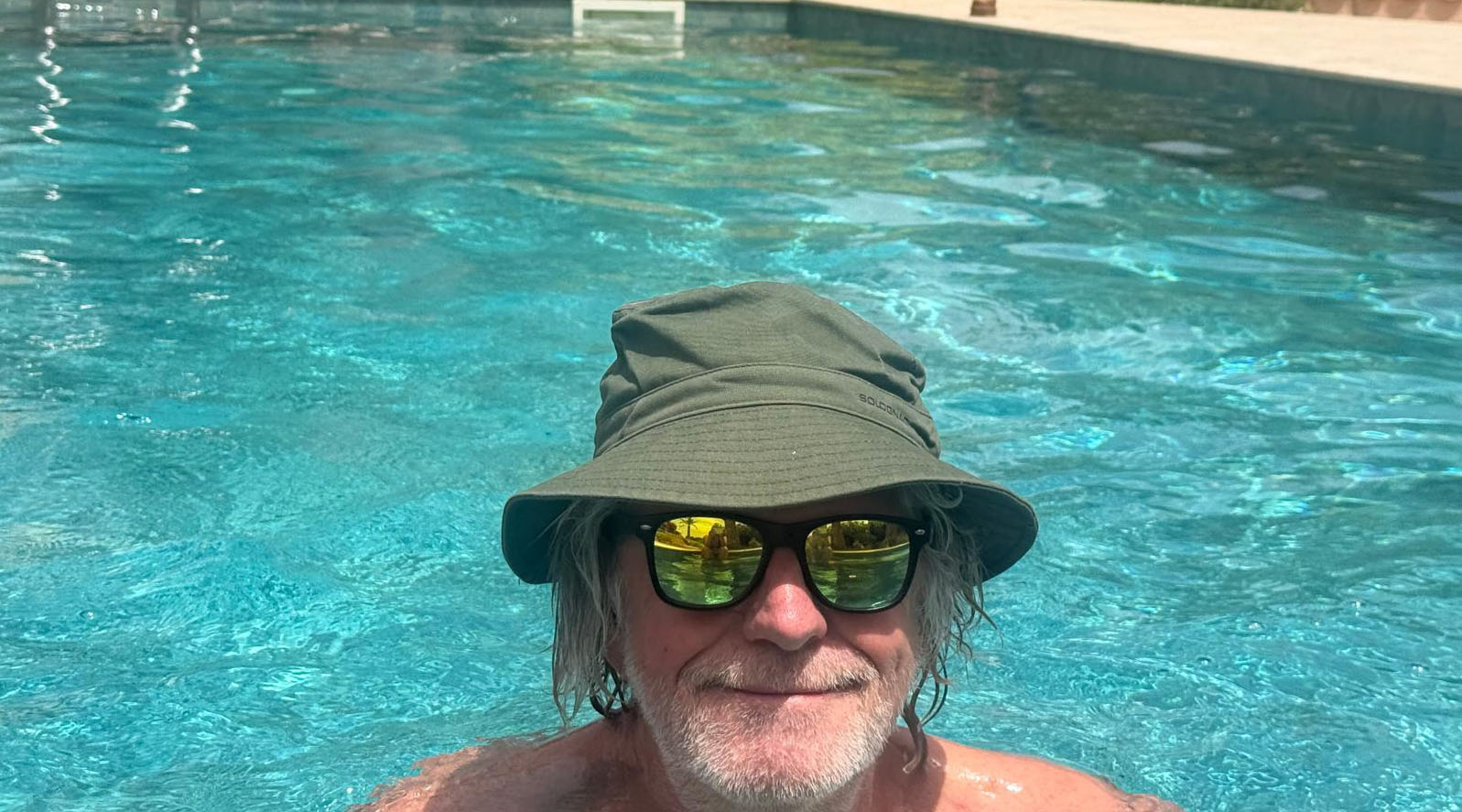
This morning I read a column by Peter Middendorp in the Dutch quality newspaper de Volkskrant. Someone he knew had ended the friendship with his best friend. The guy had a swimming pool in his garden, was flying all the time and happily consuming away.
You should be able to expect a bit more from a good friend, he thought.
Middendorp then wondered why we don’t judge each other much more. So no more politely saying how cozy that little wood-burning stove is. Or how nice that you’ve booked your sixth cruise. Just say what you really think.
I felt pretty much addressed. I have a swimming pool in my garden, and I live part of the year in a second home on Mallorca. I do try to turn the place into some kind of green woke paradise, but that swimming pool is still there.
I fly too. Not as much as I used to, but when getting somewhere by electric car or train isn’t possible, I’m also sitting in the belly of one of those stinking birds.
And I eat meat. While I know damn well how much shit the meat industry causes for the climate, biodiversity and animal suffering.
So go ahead. Selfish asshole.
I just don’t think we’ll get much further by watching each other and judging what everybody else is doing. The problem with climate change isn’t that my neighbor has a swimming pool. Nor is the biodiversity crisis caused by someone frying a steak on Tuesday night.
A lot of people think that if you just try to do everything as well as possible yourself, the world will change. There is certainly some truth in that. Showing others that using nature and resources more consciously can also give you a pretty nice life isn’t a bad thing. And the theory that the more people who do this, the greater the chance that we’ll reach a tipping point towards transition, may also be true.
But I don’t think it’s the most promising way.
Over the past few years I’ve become more and more convinced that we’re trying to solve the wrong problems. Climate, inequality, war, migration, loss of biodiversity, food problems, failing democracy. We deal with them as if they’re all separate crises.
We know that, to a large extent, they all come from the system we have created globally over the past few hundred years.
In my book The Only Possible Solution, I argue that we should stop trying to repair every problem separately and look at the system that keeps producing them. So I would turn the question around and stop looking at what is politically possible today. Instead, look at what the world should look like a hundred years from now.
From there you can work backwards. What has to change between now and then to get there? Only after that comes the question I almost always get in podcasts: But what can I do?
More than you think.
You can decide what you buy, where you put your money, who you work for, who you vote for, what your company produces, what you invest in and what you speak up about. If you find that the better choice is almost impossible to make, that’s when it gets interesting. Because then you have to find the rule that makes that better choice impossible or unattractive. That’s where you should put your attention if you want to force change.
Maybe somewhere along the way we got the idea that the world can only be saved by lots of well-behaved people who all do exactly the right thing. I don’t believe that. Most people aren’t even in a position to do that because for them, unlike me, life itself is already a struggle to survive.
But people can change systems. We’ve been doing that all the time. For better and for worse. Not by going off to live in a cabin in the woods. But by opening your mouth.
So I don’t judge my children, neighbors or friends. I only hope to give them the idea that somewhere, in many things they can influence a world change. They can make a difference. And there are more of those things than they might think.
And the nice thing is: I think it might even make us even happier.
Back From The Future is a series of short stories in which I look back from the year 2125 at the world we are creating today.